Ruth Ikegah’s story
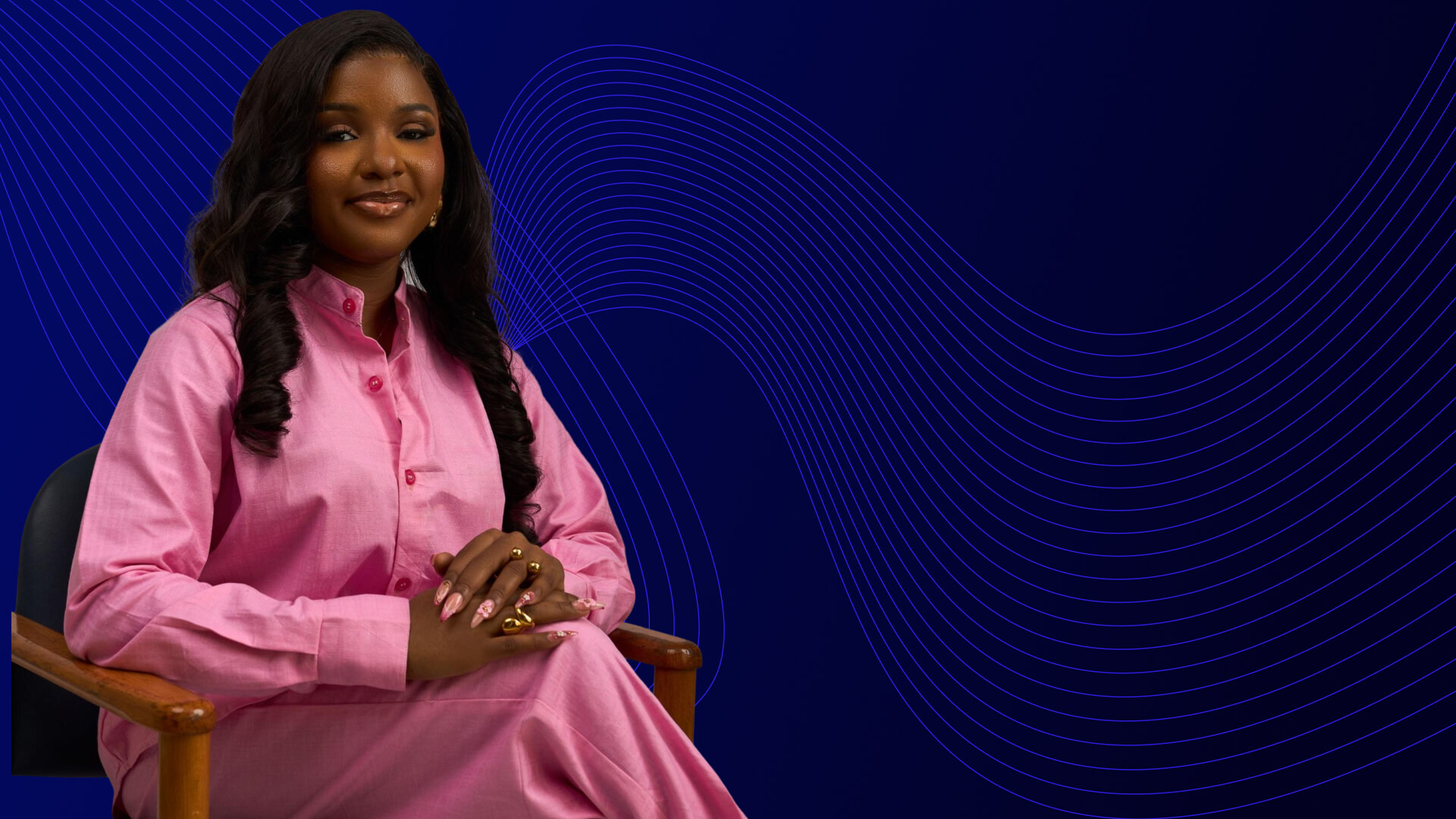
In this guest post, Ruth Ikegah, open source pioneer and community builder in Africa, shares her journey – from her upbringing in a rural Nigerian household to global tech conference stages. Drawing on her experience building sustainable open source communities, she shares key lessons on leveraging open source as a career launchpad, promoting diversity in tech, and making IT a more appealing first career choice.
Upbringing: Learning resilience from my early days
I’m from Nigeria, the South South region in the heart of Port Harcourt city, a riverine area filled with water, swamps, and life shaped by that environment. I spent the first 21 years of my life there, growing up in a family of five as the only girl child.
Being the only girl came with a unique kind of responsibility. In many African households, especially while I was growing up, the girl child is often expected to take on more domestic duties: caring for the home, supporting family members, and being constantly present. That shaped a lot of my early life. It also meant that pursuing something like tech later on wasn’t just about learning, but first and foremost about negotiating space, time, and expectations.
But if there’s one thing that experience gave me, it’s resilience. I learned early on how to juggle responsibilities and still hold on to my own ambitions.
Education: Exploring microorganisms to drive big change
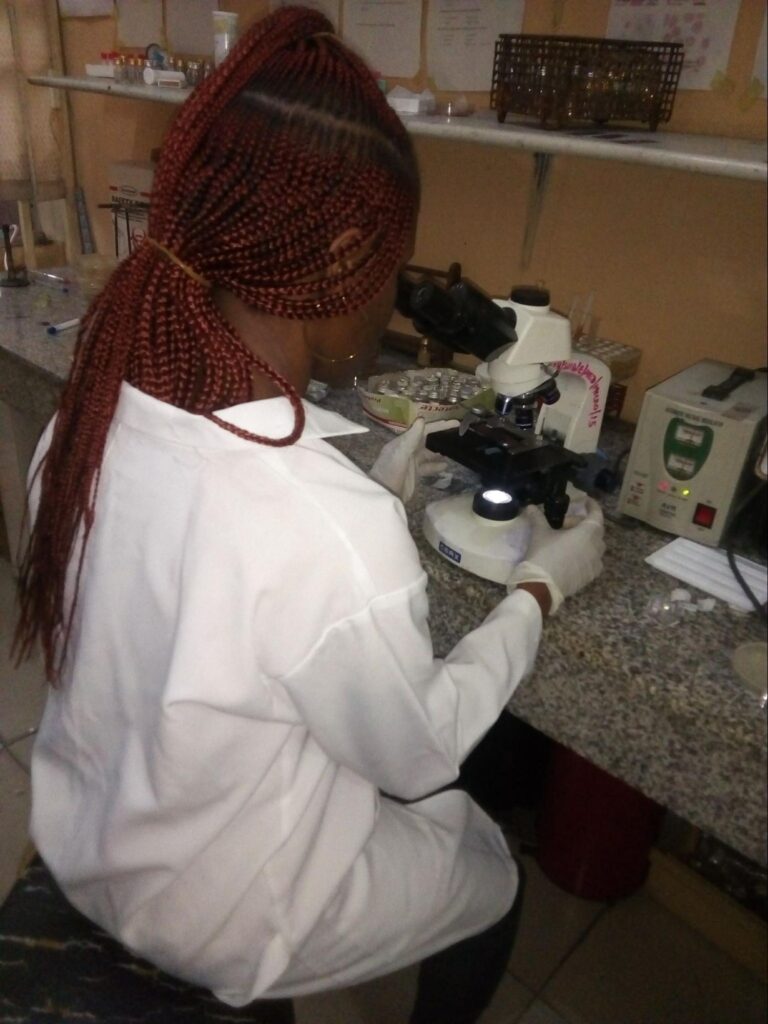
This may surprise some readers, but: originally, I didn’t want to be a software engineer or developer when growing up. I wanted to be a doctor. It felt powerful: helping people, understanding the human body, being someone others relied on. But when it came time to apply to university, I didn’t meet the cut-off marks for medicine.
So I chose microbiology instead. It was still within the sciences and close to healthcare, and I genuinely enjoyed it. Microbiology allowed me to explore how diseases work and how the human body responds, just from a different angle.
What I didn’t know at the time was that my career would eventually take a completely different turn.
Discovering open source: “It’s like volunteering, but in tech”
My entry into tech, and eventually open source, was unexpected. During my third year in university, I met two classmates: one was a designer, the other a developer. I was fascinated. Why were they doing something completely different from what we were studying?
Curiosity pulled me in. One day, I saw my friend on a call with people from the US, and I asked her what she was doing. That was the first time I heard the term “open source.”
She described it in a way that immediately resonated with me:
“It’s like volunteering, but in tech.”
That stayed with me.
After I graduated in 2019, COVID hit. Like many people, I found myself at home, with time to rethink my path. I decided to learn how to code, but it wasn’t enough on its own. I needed something meaningful, something that connected with my passion for helping people.
That’s when I had my second encounter with open source software (OSS).
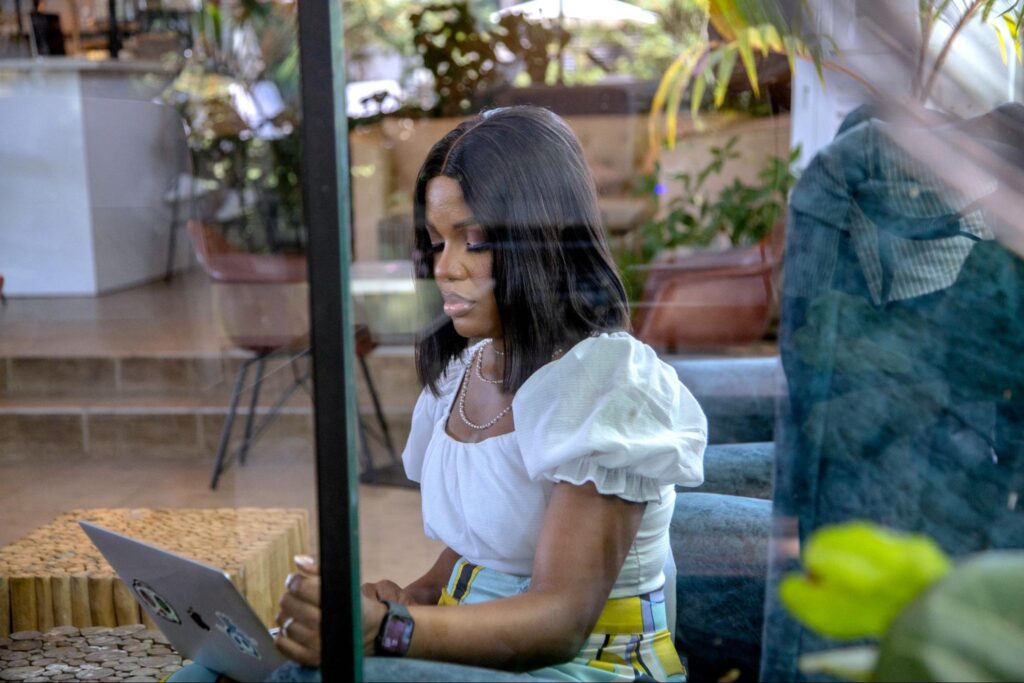
My first contribution was with the GNOME Foundation, where I got involved in initiatives focused on onboarding new contributors. It felt like the perfect intersection of learning, community, and impact.
Using OSS programs as a launchpad
My initial OSS steps in the GNOME Foundation demonstrates that open source never exists in isolation. It thrives through communities, collaboration, and programs.
For anyone starting out, like me in 2020, there are multiple entry points. You can join technology-specific communities like Python or Rust groups, or broader ecosystems like Open Source Community Africa. There are also project-based communities like CHAOSS, where I’ve been deeply involved.
Beyond communities, there are global programs like Google Summer of Code, Outreachy, and others that provide structured ways to get involved [see Resources].
Personally, my work with the CHAOSS project has been one of the most defining parts of my journey. I helped grow the CHAOSS Africa chapter, building local contributor groups and creating pathways for people to participate meaningfully. Over time, the community became sustainable, even beyond my direct involvement, which is one of the most rewarding outcomes you can hope for in open source.
Challenges in open source
Open source is powerful. But it’s not without its challenges, especially in my context.
A lot of contributors in Africa are young and early in their careers. Many are still trying to find jobs or stability. So contributing to open source, which is often unpaid, can be difficult to sustain.
There are also infrastructure challenges: inconsistent internet access, lack of devices, and limited funding. I’ve seen contributors disappear. Not because they lost interest, but because life got in the way.
Funding is a major issue. It’s hard to secure resources for community-driven initiatives, especially those that are not directly tied to areas like AI or security.
And then there’s the human side: burnout, self-doubt, and navigating global spaces where you may feel less experienced compared to others with decades in the field.
But despite all this, people keep showing up. That resilience is something I deeply admire.
Highlights in open source
For me, the biggest highlight isn’t the awards or recognition I have received. It’s the people I’ve met along the way.
It’s seeing someone go from not knowing how to code to contributing to projects, and then landing a job. It’s watching communities grow, evolve, and sustain themselves.
Open source has changed lives. I’ve seen it happen over and over again. And knowing I’ve played a small part in that, that’s what matters most to me.
COVID-19: The window of opportunity that opened – and closed
Ironically, the COVID-19 pandemic created a unique window of opportunity. Remote work became more accessible, and suddenly, location mattered less. That made it easier for people like me to participate globally.
But now, we’re seeing a shift back. Many companies are rolling back remote-first policies and requiring people to be based in specific regions, often without offering relocation support.
This has made things significantly harder.
I’ve personally felt this while searching for opportunities. I have the skills, the experience, and the network; but location becomes a barrier.
It’s frustrating, especially because there is so much talent in regions like Africa that is being overlooked.
Diversity in tech (through my lens)
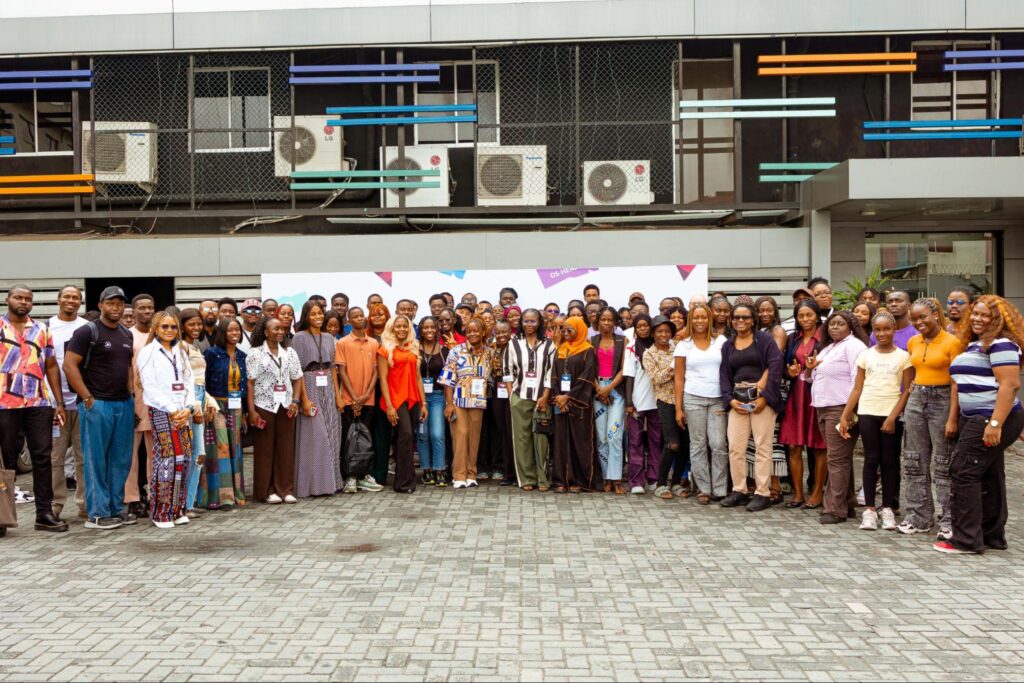
Despite the challenges, one thing I’m proud of is the growing diversity in African tech communities, especially when it comes to women (read more here).
This didn’t happen by accident. It’s the result of intentional effort.
Organisations have worked hard to create safe spaces, provide access, lower barriers, and meet women where they are. For example, covering event tickets, transportation, and creating inclusive environments where women feel welcome to participate.
Role models also matter. Seeing women who are like you, who share their stories, including the struggles, makes a huge difference.
By sharing my background here – balancing family responsibilities, transitioning from microbiology to tech – I’m not just telling a story. I’m showing someone else, other women, that it’s possible.
And that’s how change happens. Through stories, through role models, through opportunities.
Thoughts on making tech more accessible and attractive
One thing I’ve reflected on is why so many of us don’t begin in tech, but instead start in more traditional, tangible fields like medicine or biology. For me, it came down to perception. Technology often looks complicated and abstract. You see computers interacting, systems working together, and it feels overwhelming. That complexity alone can make people shy away before they even try. I think that’s why many young people, including myself, first pursue other fields before eventually finding their way into tech.
But over the years, I’ve seen a shift. People are beginning to simplify technology, to make it more approachable and more relatable. Tools like AI are lowering the barrier even further, making it easier for anyone to get started. What we need more of is this: simplifying concepts, showing real-world impact and creating a sense of achievement through coding, e.g. through hackathons, and most importantly, creating visible role models.
When someone can look at another person and say, “If they can do it, so can I,” it changes everything. Making technology feel less intimidating and more human is key to helping more people choose it from the beginning, not just discover it later.
Ruth Ikegah is an open source program and community leader based in Lagos, Nigeria, working at the intersection of technology, community building, and ecosystem development across Africa. She currently serves as Co-Chair of the Governing Board at the CHAOSS Project and plays a key role in advancing global conversations around community governance, diversity, and metrics. Ruth is also a leader within Open Source Community Africa (OSCA), where she has contributed to growing and supporting developer communities across the continent through programs, events, and strategic initiatives. She has led large-scale programs that have trained over 1,000 developers across more than 20 African countries. Her work focuses on building sustainable, inclusive ecosystems, creating pathways for contributors, and leveraging partnerships to expand access to opportunities within the global open source landscape.
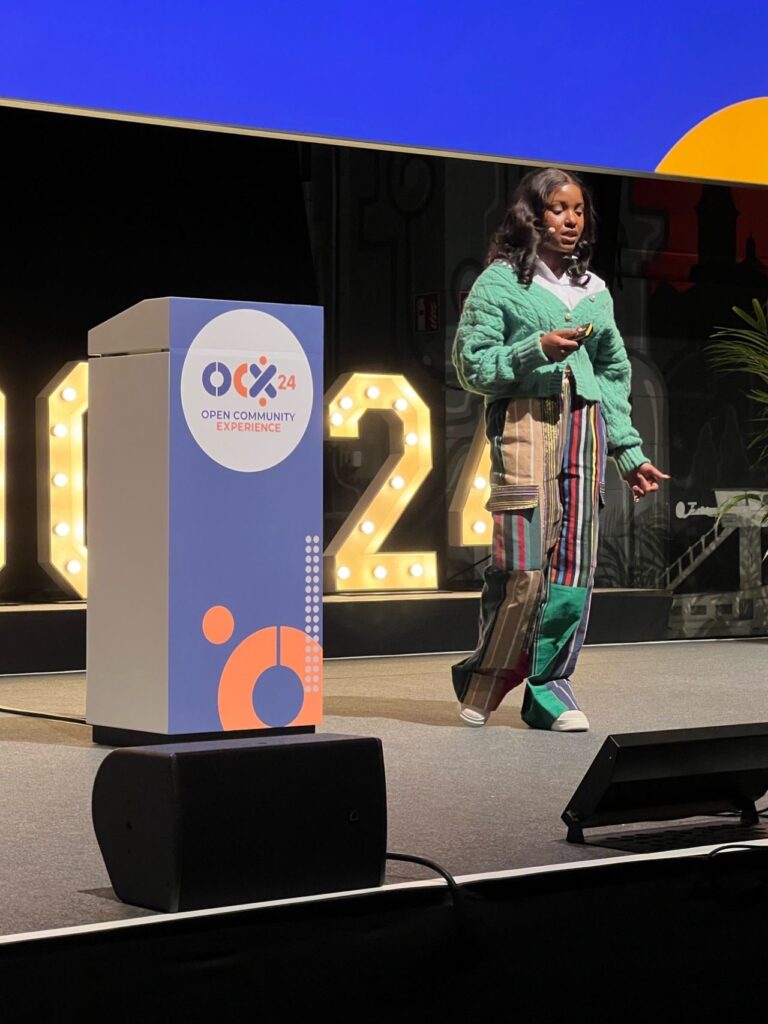
Watch Ruth’s keynote at OCX 2024.